




12.1.2017
The second USOM-SOME Consultation Meeting, following the first one held in October 2016, took place at the Information and Communication Technologies Authority (BTK) with the participation of more than 250 officials from nearly 150 SOME teams across Turkey.
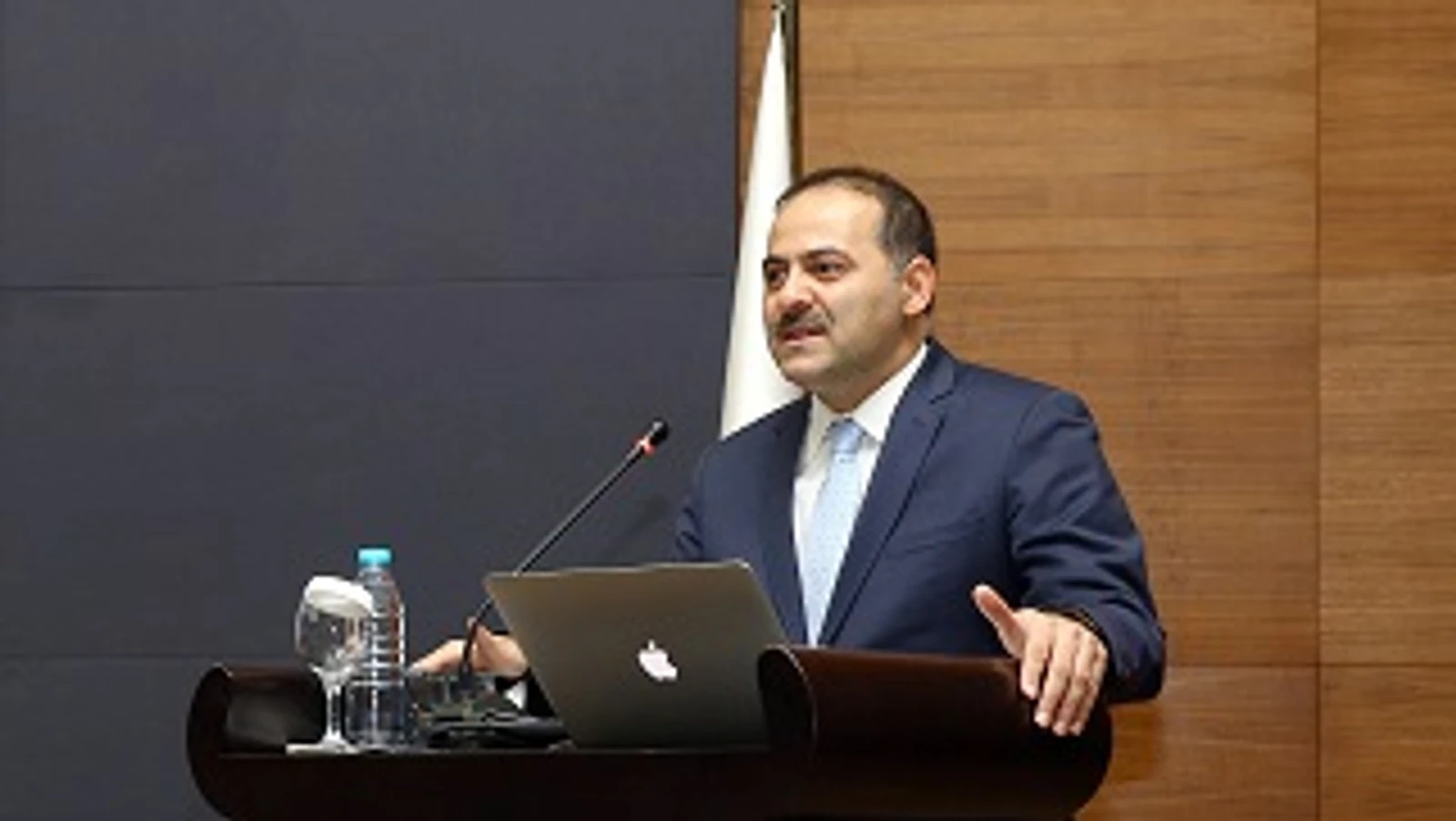
The National Cyber Incident Response Center (USOM) held its II. Consultation Meeting with the participation of Cyber Incident Response Team (SOME) officials from across Turkey. The consultation meeting began with a moment of silence and the reading of the National Anthem, followed by the opening speech of BTK President Dr. Ömer Fatih Sayan, and continued with presentations by USOM officials under the title “Looking Back at 2016, Expectations for 2017.”
CYBER REPORTS ARE COMING TO USOM FROM 27 DIFFERENT COUNTRIES
Established to identify threats against Turkey's cyber security, develop and share measures to reduce or eliminate the effects of potential attacks with identified actors, USOM also serves as our country's point of contact on the international stage. Reports are received by USOM from 27 different countries, and these are forwarded to the relevant parties to ensure necessary measures are taken.
CYBER SECURITY SHOULD BE APPROACHED AS A WHOLE
BTK President Sayan began his speech by emphasizing the importance of cyber security and the need to approach the issue holistically. Comparing the cyber environment, which consists of many components from communication to software, social media to the technologies we call the Internet of Things, to a chain, Sayan stated that the security of the cyber environment is as strong as its weakest link and continued: “There is a well-known saying, let me remind you at this point. They say: One nail for a horseshoe, one horseshoe for a horse, one horse for a commander, one commander for an army, and one army determines the fate of a war. For this reason, each of our jobs individually carries great importance. We can invest millions of liras and take the most advanced technological measures, but a critical vulnerability worth 1 TL can render all these measures useless. Attackers can exploit this 1 TL unaddressed vulnerability to render our systems dysfunctional, disrupt them, or access our critical information.”
Sayan added to his remarks that spending on cyber security technology alone is not sufficient and will not yield results, and that a security perspective and measures must be integrated into all processes.
CYBER SECURITY AWARENESS SHOULD BE INSTILLED IN EVERYONE
President Sayan continued his speech by talking about the matters that SOME teams established under the USOM umbrella should pay attention to. Explaining the roadmap that SOME teams, which have various duties before, during, and after a cyber incident, should follow in such situations, Sayan said: “SOME teams working in institutions, before encountering any cyber incident,”;
In addition: “Our institutions should conduct periodic penetration tests on their information systems and manage and close the vulnerabilities detected after these tests; furthermore, it is important to regularly review the system logs of institutions and conduct necessary examinations in case of any suspicious situation,” said Sayan, listing what SOME teams should do upon detecting a cyber incident as follows:
CYBER TRENDS FOR 2017 WERE DISCUSSED
In this context, Sayan emphasized the need for SOME teams to maintain more contact with USOM and the necessity of reporting and notifying cyber incidents, and also touched upon legal sanctions regarding deterrence in cyber security. At the meeting, presentations were made on cyber security developments in 2016, trends and expectations for 2017, and the Cyber Capacity Building program.